
Incapacity Planning Attorney in Smithtown & Syosset, NY
Protect Yourself and Your Family: Plan for Incapacity Before It's Too Late
WHAT IS INCAPACITY PLANNING?
Incapacity planning (also called disability planning) is the process of creating legal documents that authorize trusted people to make financial, legal, and medical decisions for you if you become unable to make these decisions yourself due to illness, injury, cognitive decline, or other incapacity.
Incapacity can happen to anyone, at any age. A stroke, car accident, sudden illness, surgical complication, dementia, or traumatic brain injury can leave you unable to manage your own affairs. Throughout Suffolk County and Nassau County, families face this reality every day.
Without proper incapacity planning documents, your family must petition the court for guardianship—an expensive ($10,000-$25,000), time-consuming (3-6 months), and often devastating process where a judge decides who manages your life and finances.
With proper incapacity planning, someone you choose can immediately step in to manage your affairs, make medical decisions, pay your bills, and ensure you receive appropriate care—all without court involvement, delays, or unnecessary costs.
At Fratello Law, we’ve helped Long Island families in Smithtown, Hauppauge, Syosset, Woodbury, and throughout Suffolk and Nassau Counties create comprehensive incapacity plans since 2012. Our attorneys ensure you have all the documents you need to protect yourself and spare your family from the guardianship nightmare.
📞 Don’t wait until it’s too late. Protect yourself and your family now.
Call our Smithtown office at (631) 406-5580 or Syosset office at (516) 321-4010

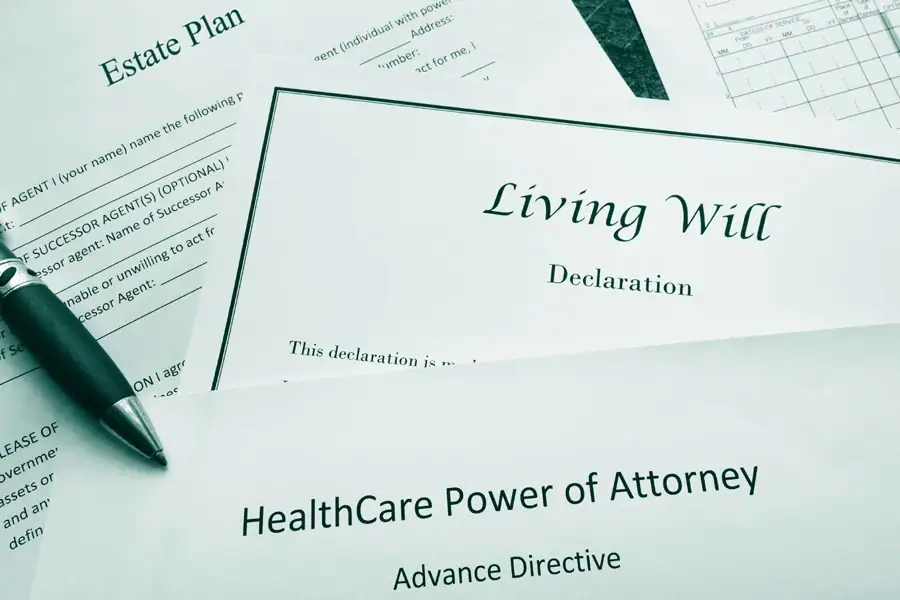
3 Essential Incapacity Planning Documents
Durable Power of Attorney (Financial POA)
A Durable Power of Attorney authorizes someone (your “agent” or “attorney-in-fact”) to handle your financial and legal affairs if you become incapacitated.
Your Agent Can:
- Access your bank accounts and pay bills
- Manage investments and retirement accounts
- Handle real estate transactions
- File tax returns
- Apply for government benefits (including Medicaid)
- Operate your business
- Make legal decisions and sign documents
- Hire care providers and professionals
Why “Durable”? “Durable” means the Power of Attorney remains valid even after you become incapacitated—which is exactly when you need it most. A non-durable POA would become invalid at incapacity, making it useless for protection.
Without a Power of Attorney: Your family cannot access your bank accounts, pay your bills, file your taxes, or manage your property. They must petition the court for guardianship, costing $10,000-$25,000 and taking 3-6 months.
Health Care Proxy (Healthcare Power of Attorney)
A New York State Health Care Proxy (also called Healthcare Power of Attorney) authorizes someone to make medical decisions for you if you cannot communicate or make healthcare decisions yourself.
Your Health Care Agent Can:
- Consent to or refuse medical treatment
- Choose doctors, hospitals, and healthcare facilities
- Access your medical records (HIPAA authorization)
- Make decisions about surgery and procedures
- Choose rehabilitation or long-term care facilities
- Make end-of-life decisions (guided by your Living Will)
- Authorize or refuse life-sustaining treatment
Important distinction: A Health Care Proxy is separate from a Financial Power of Attorney. Financial POA = money and property. Healthcare Proxy = medical decisions. You need both.
Without a Health Care Proxy: Your family cannot make medical decisions for you, cannot access your medical records (HIPAA blocks them), and may need court-appointed guardianship to authorize treatment or choose care facilities.
Living Will (Advance Directive)
A Living Will (also called an Advance Directive) is a written statement of your wishes regarding end-of-life medical treatment.
Your Living Will Addresses:
- Life-sustaining treatment preferences (ventilators, dialysis, feeding tubes)
- Artificial nutrition and hydration
- Resuscitation (Do Not Resuscitate – DNR orders)
- Pain management and comfort care priorities
- Organ donation wishes
- Under what circumstances you would or wouldn’t want treatment
How it works: Your Living Will guides your Health Care Proxy agent’s decisions. When difficult end-of-life decisions must be made, your agent follows the wishes you’ve documented in your Living Will, relieving them of the burden of guessing what you would want.
Without a Living Will: Your family must make agonizing end-of-life decisions without knowing your wishes, often leading to family conflict, guilt, and disagreements about what you would have wanted.
Real scenario from Nassau County: A 67-year-old Woodbury woman had a stroke. She had a Health Care Proxy but no Power of Attorney. Her husband could make medical decisions and choose her rehabilitation facility, but he couldn’t access her bank account to pay for the facility, couldn’t apply for Medicaid to cover costs, and couldn’t pay the mortgage. The family had to pursue expensive guardianship despite having a Health Care Proxy. Complete protection requires all three documents.
When Should You Create Incapacity Planning Documents?
The answer is simple: before you need them. Once you’re incapacitated, it’s too late.
You Should Have These Documents If You:
- Are 18 or older — Everyone of legal age needs incapacity planning
- Have any assets — Even modest bank accounts, a car, or personal property
- Have bills — Someone needs authority to pay them
- Have a job or business — Operations must continue
- Have health insurance — Someone needs authority to file claims
- Have a family — Protect them from guardianship crisis
- Own a home — Mortgage and maintenance must continue
- Care about medical treatment — Make your wishes known
- Want to choose who helps you — Otherwise the court decides
When It’s Too Late
You cannot create valid incapacity planning documents if you:
- Lack mental capacity (dementia, stroke, brain injury, severe illness)
- Cannot understand what you’re signing
- Cannot communicate your wishes
- Are under undue influence or pressure
Common tragedy: We regularly meet with families at our Smithtown and Syosset offices who waited too long. Their loved one now has dementia or suffered a stroke, and we have to tell them their only option is expensive court guardianship. Simple documents created a year earlier would have prevented this nightmare.
Don’t wait for a diagnosis. By the time someone is diagnosed with Alzheimer’s or dementia, they often lack the capacity to create valid documents.
WHY CHOOSE FRATELLO LAW?
We Focus on Elder Law & Estate Planning
Unlike general practice attorneys, elder law and estate planning are our primary practice areas. We’ve prepared thousands of incapacity planning documents for Long Island families since 2012.
Elder Law Documents (Not Basic Forms)
Our incapacity planning documents include provisions for:
- Medicaid planning and asset protection
- Gifting authority for future long-term care planning
- Trust funding and modifications
- Digital asset management
- Business continuity

Educational Resources
Recent Articles:
DON’T WAIT UNTIL IT’S TOO LATE
Incapacity can happen at any age, any time. Protect yourself and spare your family from financial crisis and court guardianship.
The time to act is now—before you need it.
📞 Call (631) 406-5580 (Smithtown) or (516) 321-4010 (Syosset)
🗓️ Schedule Your Free Consultation
Your family’s peace of mind depends on it.