
Probate Attorney in Smithtown & Syosset, NY
Navigate Suffolk & Nassau County Surrogate's Court with Confidence
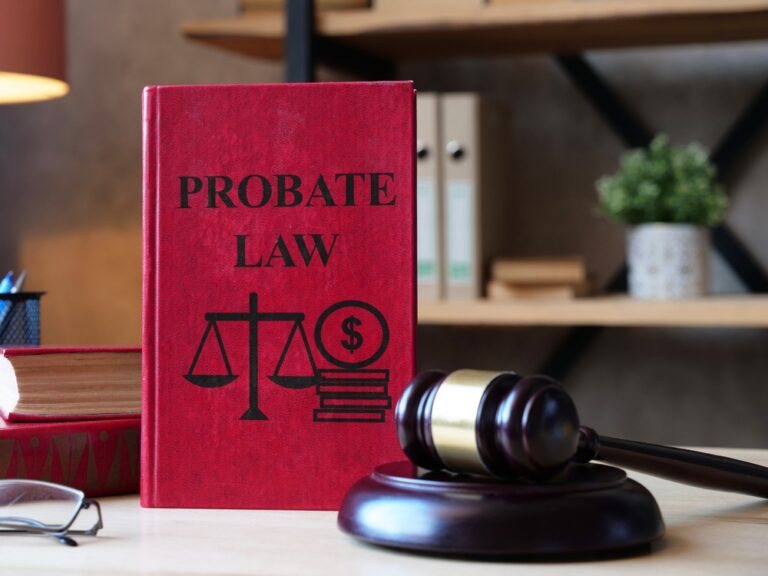
What Is Probate in New York?
Your loved one left a will. Now what?
Probate is New York’s legal process for:
- Validating the will in Surrogate’s Court
- Appointing the executor named in the will
- Giving the executor legal authority to act
- Overseeing distribution of assets to beneficiaries
Where probate happens on Long Island:
Suffolk County: Suffolk County Surrogate’s Court
Location: 320 Center Drive, Riverhead, NY 11901
Phone: (631) 852-1745
Nassau County: Nassau County Surrogate’s Court
Location: 262 Old Country Road, Mineola, NY 11501
Phone: (516) 571-2082
Probate occurs in the county where the deceased person lived. If your parent lived in Smithtown, probate happens in Suffolk County. If they lived in Syosset, probate happens in Nassau County.
WHY PROBATE IS NECESSARY
Without probate, the executor has no legal authority. Banks won’t release funds. Real estate can’t be sold or transferred. The will is just a piece of paper until Surrogate’s Court validates it and issues Letters Testamentary.
Letters Testamentary are the official documents that give the executor power to:
- Access the deceased’s bank accounts
- Sell real estate
- Transfer assets
- Pay debts and taxes
- Distribute inheritances
Probate provides this legal authority while protecting everyone involved—the executor, the beneficiaries, and the creditors.
📞 Named executor in a will? We’ll guide you through Suffolk or Nassau County probate.
Call our Smithtown office at (631) 406-5580 or Syosset office at (516) 321-4010
THE NEW YORK PROBATE PROCESS: STEP BY STEP
Here’s exactly what happens in Suffolk County or Nassau County Surrogate’s Court probate.
Step 1: Locate the Original Will
You need the original will. Photocopies won’t work.
Where to look:
- Safe deposit box
- Home safe
- Attorney’s office (many lawyers keep original wills in their vault)
- Filing cabinets, desk drawers
If you can’t find the original will, there’s a legal presumption the deceased destroyed it to revoke it. You may need to file for administration instead (no will) or petition to probate a copy (difficult).
Step 2: File Petition for Probate
The executor named in the will files a petition with Surrogate’s Court.
Required documents:
- Original will
- Death certificate (certified copy)
- Petition for probate (official court form)
- Information about all beneficiaries and heirs
- Estimated value of estate assets
Filing fees in Suffolk County and Nassau County:
- Under $10,000: $45
- $10,000-$20,000: $75
- $20,000-$50,000: $215
- $50,000-$100,000: $280
- $100,000-$250,000: $420
- $250,000-$500,000: $625
- Over $500,000: $1,250
Step 3: Notice to Interested Parties
New York law requires notice to all interested parties:
Who must receive notice:
- All beneficiaries named in the will
- All heirs under NY law (even if not in will)—spouse, children, parents, siblings
- Executor named in will
- Any prior executor (if will was changed)
Notice gives everyone the right to:
- Object to probate
- Contest the will
- Challenge the executor
- Raise concerns about will validity
Step 4: Will Examination (If Required)
If there are no objections, the court may admit the will to probate without a hearing.
However, a hearing may be required if:
- Someone objects to the will
- Will was executed shortly before death
- Deceased lacked capacity
- Questions about undue influence
- Will execution was irregular
At the hearing, witnesses to the will may testify. The court examines whether:
- The will was properly executed under NY law
- The deceased had testamentary capacity
- There was no undue influence or fraud
- This is the last will (not revoked by a later will)
Step 5: Court Issues Decree and Letters Testamentary
If the court approves probate, it issues:
1. Decree Admitting Will to Probate – Official court order validating the will
2. Letters Testamentary – Document appointing executor and granting legal authority
The executor takes the Letters Testamentary to banks, investment companies, and other institutions to prove authority.
Important: Order Certificates of Letters Testamentary. You’ll need them for every financial institution, real estate transaction, and government agency.
Step 6: Executor Administers the Estate
Now the real work begins. The executor must:
Gather and inventory assets:
- Open estate bank account
- Locate all assets (bank accounts, investments, real estate, vehicles, personal property)
- Get valuations (real estate appraisals, investment statements)
- Secure property (change locks, maintain insurance, forward mail)
Pay debts and expenses:
- Funeral expenses
- Final medical bills
- Credit card debts
- Utilities, mortgage, property taxes
- Estate administration costs
Critical NY rule: Creditors have 7 months from appointment to file claims. Don’t distribute estate assets until this period expires.
File tax returns:
- Deceased’s final income tax return (federal and NY)
- Estate income tax returns (if the estate earns income)
- Federal estate tax return (if estate exceeds $15 million in 2026)
- NY estate tax return (if estate exceeds $7.35 million in 2026)
Manage estate assets:
- Pay ongoing expenses (home maintenance, insurance, property taxes)
- Invest liquid assets prudently
- Sell real estate if necessary
- Maintain and protect all assets
Step 7: Accounting and Distribution
Before distributing assets to beneficiaries, the executor prepares an accounting showing:
- All assets received
- All income earned
- All expenses paid
- Proposed distribution to beneficiaries
Beneficiaries must approve the accounting (or court must approve if informal accounting not possible).
After approval, executor distributes assets according to the will and gets signed receipts from beneficiaries.
Step 8: Close Estate
Final steps:
- File final accounting with court (if required)
- Obtain court approval to close estate
- Make final distributions
- Close estate bank account
- File final tax returns
HOW TO AVOID PROBATE
Some assets pass outside of probate, including:
- Property owned jointly with rights of survivorship
- Bank accounts with “payable on death” (POD) designations
- Life insurance policies with named beneficiaries
- Retirement accounts (401(k), IRA) with designated beneficiaries
- Assets held in a trust
- New York allows a simplified “small estate” or voluntary administration process for estates valued at less than $50,000 (excluding real property)
If you’re uncertain whether probate is necessary for your loved one’s estate, our experienced estate administration attorneys can review the specific circumstances and advise you on the best path forward.
Why Working with a
Local Probate Lawyer Matters
While New York law doesn’t require executors to hire a probate attorney, doing so provides significant benefits:
Expert Guidance: Probate attorneys understand Nassau County Surrogate’s Court and Suffolk County Surrogate’s Court procedures, requirements, and judges, ensuring your petition is properly prepared and filed timely.
Avoiding Costly Mistakes: Errors in probate can result in personal liability for the executor, delayed distributions, or family disputes. An experienced probate attorney helps you avoid these pitfalls.
Efficient Process Management: Attorneys know how to move cases through Surrogate’s Court efficiently, meeting deadlines and responding to court requirements promptly.
Protection for Executors: A good attorney helps executors avoid potential liability and fulfill their fiduciary duties properly.
Dispute Resolution: When family conflicts arise, an attorney can mediate disagreements or represent the estate in contested proceedings.
Frequently Asked Questions About New York Probate
What is probate in New York?
Probate is the court-supervised process of validating a will and distributing a deceased person's assets in New York. The Surrogate's Court validates the will, appoints an executor, and oversees asset distribution to beneficiaries. In Suffolk County, this occurs at Suffolk County Surrogate's Court in Riverhead. In Nassau County, it occurs at Nassau County Surrogate's Court in Mineola.
How long does probate take in New York?
Probate in New York typically takes 9-18 months for straightforward estates. Complex estates with disputes, tax issues, or litigation can take 2-3 years or longer. Timeline depends on estate complexity, court schedules in Suffolk or Nassau County, whether there are will contests, and how quickly assets are gathered and debts paid.
How much does probate cost in New York?
Costs vary by estate size and complexity. Typical costs include: court filing fees ($45-$1,250 based on estate value), attorney fees ($5,000-$50,000+), appraisals ($400-$1,000), accounting ($1,000-$5,000), and executor commissions (approximately 2.5-5% of estate value if taken). Simple estates may cost $10,000-$25,000 total. Complex estates can cost $50,000-$100,000+.
Can I sell the house during probate?
Yes, once you receive Letters Testamentary, you have authority to sell estate real estate. However, you should: get fair market value (often requires appraisal), notify beneficiaries of the sale, ensure proceeds are used to pay debts/taxes before distribution, and maintain proper accounting. Most executors hire a real estate agent familiar with estate sales.
What if someone wants to contest the will?
Interested parties have the right to object to probate or contest the will during the notice period. Common grounds for will contests include: lack of testamentary capacity, undue influence, fraud, or improper execution. Will contests are litigated in Surrogate's Court and can significantly delay probate. An attorney can defend the will or help resolve disputes through mediation.
ADDITIONAL RESOURCES
Suffolk County Surrogate’s Court:
- Suffolk County Surrogate’s Court
- Location: 320 Center Drive, Riverhead, NY 11901
- Phone: (631) 852-1745
Nassau County Surrogate’s Court:
- Nassau County Surrogate’s Court
- Location: 262 Old Country Road, Mineola, NY 11501
- Phone: (516) 571-2082
New York Court Resources:
New York Statutes: