
Losing a loved one is never easy, and dealing with the legal complexities of settling their estate can feel overwhelming during an already difficult time. If you’re facing the New York probate process, you’re not alone—and understanding what lies ahead can help ease some of the anxiety and uncertainty.
At Fratello Law, we’ve guided hundreds of Long Island families through the probate process in both Nassau County Surrogate’s Court and Suffolk County Surrogate’s Court. Our “Small Firm, Big Heart” approach means we’ll walk beside you every step of the way, translating legal jargon into plain language and handling the complexities so you can focus on what matters most—honoring your loved one’s memory and supporting your family.
What Is Probate?
Probate is the legal process through which a deceased person’s Last Will and Testament is validated by the court, and their estate is administered according to their wishes. In New York State, this process is overseen by the Surrogate’s Court in the county where the person lived at the time of their death.
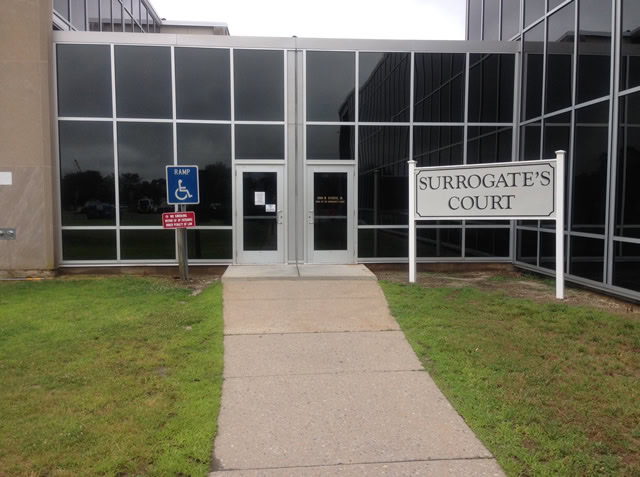
For Long Island residents, this means either Nassau County Surrogate’s Court in Mineola (serving Syosset and western Long Island communities) or Suffolk County Surrogate’s Court in Riverhead (serving Smithtown and eastern Long Island communities).
The primary purposes of probate are to:
- Confirm the validity of the deceased person’s Will
- Officially appoint the executor named in the Will
- Provide a legal framework for collecting assets, paying debts, and distributing property
- Protect the rights of beneficiaries and creditors
- Ensure the estate is settled according to New York State law
When someone dies with a valid Will, they’re said to have died “testate.” If they die without a Will, they’ve died “intestate,” and the court will appoint an administrator to handle the estate according to New York’s intestacy laws.
Do You Need to Go Through Probate?
Not every estate requires formal probate proceedings. Understanding whether probate is necessary can save time and money.
When Probate Is Required
Probate is typically necessary when:
- The deceased owned assets solely in their name (real estate, bank accounts, investments, vehicles)
- The estate includes property without designated beneficiaries
- There are significant debts to resolve
- The Will needs to be legally validated
- There are disputes about the estate or Will
When You Might Avoid Probate
Some assets pass outside of probate, including:
- Property owned jointly with rights of survivorship
- Bank accounts with “payable on death” (POD) designations
- Life insurance policies with named beneficiaries
- Retirement accounts (401(k), IRA) with designated beneficiaries
- Assets held in a trust
- New York allows a simplified “small estate” or voluntary administration process for estates valued at less than $50,000 (excluding real property)
If you’re uncertain whether probate is necessary for your loved one’s estate, our experienced estate administration attorneys can review the specific circumstances and advise you on the best path forward.
The Probate Timeline in New York State
One of the most common questions we hear is: “How long does probate take?” While every estate is unique, understanding the typical timeline can help you plan accordingly.
For a straightforward, uncontested estate in New York, probate typically takes 9 to 18 months. However, complex estates or those involving disputes can extend to several years.
The minimum timeline is at least 7 months, as New York law gives creditors 7 months from the date Letters Testamentary are issued to file claims against the estate.
Step-by-Step: The Probate Process in Surrogate’s Court
Let’s walk through each phase of the probate process so you know what to expect.
Phase 1: Initial Steps (Weeks 1-4)
Locate and Secure the Original Will: The first priority is locating and securing the original Last Will and Testament. Many people keep their Will in a safe deposit box, with their attorney, or in a home safe. Some New York counties offer Will storage services at the Surrogate’s Court.
Obtain Death Certificates: You’ll need multiple certified copies of the death certificate—typically 10-15 copies—for various purposes throughout the probate process. These can be obtained from the funeral home or the New York State Department of Health.
Secure the Estate’s Assets: The nominated executor should take immediate steps to protect the estate’s property, including:
- Securing real estate and valuables
- Notifying banks and financial institutions
- Maintaining insurance on property
- Forwarding mail
- Changing locks if necessary for security
Initial Consultation with an Estate Attorney: While not legally required, consulting with a probate attorney early in the process can prevent costly mistakes and delays.
Phase 2: Filing the Petition (Weeks 4-8)
Prepare and File the Probate Petition: The executor named in the Will must file a petition with the Nassau County Surrogate’s Court or Suffolk County Surrogate’s Court. This petition includes:
- The original Will (do not remove staples or alter the document in any way)
- A certified copy of the death certificate
- A petition form with information about the deceased, the executor, beneficiaries, and heirs
- A filing fee based on the estate’s value (ranging from $45 for estates under $10,000 to $1,250 for estates over $500,000)
- Supporting affidavits and documents
The New York State Unified Court System provides official forms for filing; however, most executors use a local probate attorney to draft and file will probate forms with the Surrogate’s Court.
Issue Citations: Once the petition is filed, the court issues “citations” (formal legal notices) that must be served on:
- All beneficiaries named in the Will
- All legal heirs (distributees) who would inherit under New York’s intestacy laws if there were no Will
- Any person adversely affected by the Will
- Individuals with an interest in prior Wills filed with the court
Citations notify interested parties of the probate proceeding and give them an opportunity to object.
Phase 3: Court Review and Appointment (Weeks 8-16)
Obtain Waivers or Serve Citations: To move forward efficiently, the nominated executor can request that beneficiaries and heirs sign waivers consenting to the probate. If waivers cannot be obtained, a formal citation service is required, which extends the timeline.
Court Hearing: If there are no objections, many probate proceedings in the Nassau County and Suffolk County Surrogate’s Courts can be approved without a formal hearing. However, if required, the Surrogate (judge) will review the petition to determine:
- Whether the Will is valid under New York law
- Whether it was properly executed with witnesses
- Whether the deceased had the mental capacity to make a Will
- Whether there was any undue influence or fraud
Issuance of Letters Testamentary: Once the court approves the petition, it issues “Letters Testamentary,” official documents that grant the executor legal authority to act on behalf of the estate. This is a critical milestone—without Letters Testamentary, the executor cannot access accounts, sell property, or officially manage estate assets.
Phase 4: Estate Administration (Months 3-12+)
This is typically the longest phase of probate, during which the executor fulfills their duties.
Inventory and Appraise Assets: The executor must identify, locate, and determine the value of all estate assets, including:
- Bank and investment accounts
- Real estate
- Personal property (vehicles, jewelry, art, collections)
- Business interests
- Digital assets
Professional appraisers may be needed for valuable property, real estate, or business interests.
Open an Estate Bank Account: Open a separate bank account in the estate’s name to manage incoming funds and pay expenses. All estate transactions should flow through this account for proper accounting.
Notify Creditors and Pay Debts: The executor must:
- Publish a notice to creditors in local newspapers
- Notify known creditors directly
- Review and validate creditor claims
- Pay legitimate debts from estate assets
- Reject invalid or untimely claims
Creditors have seven months from the issuance of Letters Testamentary to file claims against the estate.
Pay Taxes: The executor is responsible for filing and paying:
- The deceased’s final income tax returns (federal and New York State)
- Estate income tax returns if the estate generates income during administration
- Federal estate tax returns if the estate exceeds the federal exemption ($13.61 million for 2024)
- New York State estate tax returns if the estate exceeds the state exemption ($6.94 million for 2024)
Working with a CPA experienced in estate taxation is highly recommended.
Manage Estate Assets: During probate, the executor must prudently manage estate assets, which may include:
- Maintaining real estate and paying mortgages
- Managing investment accounts
- Handling ongoing business operations
- Selling assets to raise cash for debts and distributions
Phase 5: Final Accounting and Distribution (Months 9-18+)
Prepare the Accounting: Once all debts, taxes, and expenses are paid, the executor prepares a detailed estate accounting showing:
- All assets received
- All expenses and debts paid
- Proposed distributions to beneficiaries
Obtain Beneficiary Approval: In many cases, if all beneficiaries are adults and agree to the accounting, they can sign receipts and releases, allowing for an informal accounting that doesn’t require court approval. This significantly streamlines the process.
Judicial Accounting (If Necessary): If beneficiaries don’t agree to an informal accounting, or if there are minors or disputes, the executor must file a formal accounting with the Surrogate’s Court for judicial review and approval.
Distribute Assets: After receiving beneficiary approval or court approval of the accounting, the executor can distribute the remaining estate assets to beneficiaries according to the Will.
Close the Estate: Once distributions are complete, the executor files closing documents with the Surrogate’s Court, and the estate is officially settled.
Understanding Probate Costs and Fees
Probate involves several categories of expenses:
Court Filing Fees
Nassau County Surrogate’s Court and Suffolk County Surrogate’s Court charge filing fees based on estate value:
- Under $10,000: $45
- $10,000-$20,000: $75
- $20,000-$50,000: $215
- $50,000-$100,000: $280
- $100,000-$250,000: $420
- $250,000-$500,000: $625
- Over $500,000: $1,250
Additional fees may apply for contested proceedings or specific court services.
Executor Commissions
New York law allows executors to receive compensation based on the estate’s value, typically around 5% for receiving and paying out estate assets, though the exact percentage decreases as the estate size increases.
Attorney Fees
Probate attorney fees vary depending on the estate’s complexity. Some New York probate attorneys charge by the hour, while others charge a percentage of the estate or a flat fee. At Fratello Law, we believe in transparency and will clearly explain our fee structure during your initial consultation.
Other Expenses
- Appraisal fees
- Accounting fees
- Bond premiums (if required)
- Publication costs for creditor notices
- Real estate commissions if the property is sold
- Real estate costs during estate administration (taxes, insurance, maintenance, etc.)
Common Probate Challenges
Even well-planned estates can encounter obstacles:
Will Contests: Beneficiaries or heirs may challenge the Will’s validity based on claims of:
- Lack of testamentary capacity
- Undue influence
- Improper execution
- Fraud or forgery
Family Disputes: Disagreements about asset distribution, personal property, or the executor’s actions can complicate and delay probate.
Complex Assets: Business interests, foreign property, or hard-to-value assets require additional time and expertise to administer properly.
Creditor Issues: Disputed claims or insufficient estate assets to pay all debts require careful legal handling.
Tax Complications: Estate tax audits or disputes with the IRS or New York State Department of Taxation can significantly extend the probate timeline.
Why Working with a Local Probate Lawyer Matters
While New York law doesn’t require executors to hire a probate attorney, doing so provides significant benefits:
Expert Guidance: Probate attorneys understand Nassau County Surrogate’s Court and Suffolk County Surrogate’s Court procedures, requirements, and judges, ensuring your petition is properly prepared and filed timely.
Avoiding Costly Mistakes: Errors in probate can result in personal liability for the executor, delayed distributions, or family disputes. An experienced probate attorney helps you avoid these pitfalls.
Efficient Process Management: Attorneys know how to move cases through Surrogate’s Court efficiently, meeting deadlines and responding to court requirements promptly.
Protection for Executors: A good attorney helps executors avoid potential liability and fulfill their fiduciary duties properly.
Dispute Resolution: When family conflicts arise, an attorney can mediate disagreements or represent the estate in contested proceedings.
The Fratello Law Difference
At Fratello Law, we understand that will probate is about more than just legal procedures—it’s about honoring your loved one’s legacy while guiding your family through a difficult transition.
Our “We Grow With You” philosophy means we’re here for the long haul, providing:
Personalized Attention: As a small firm, we get to know you and your family personally. You’ll work directly with experienced attorneys, not paralegals or assistants.
Local Expertise: We regularly appear in both Nassau County Surrogate’s Court and Suffolk County Surrogate’s Court, and we know the local procedures, staff, and judges.
Compassionate Guidance: We recognize that you’re grieving while managing complex legal matters. We handle the stress of probate so you can focus on healing.
Clear Communication: We explain every step in plain English, keep you informed of progress, and promptly return your calls and emails.
Transparent Pricing: We provide clear fee agreements upfront, so you know exactly what to expect—no surprises.
Small Estate Administration: A Simpler Alternative
If your loved one’s estate is valued at less than $50,000, you may qualify for New York’s simplified “voluntary administration” or small estate proceeding. This process:
- Costs only $1 to file
- Doesn’t require full probate proceedings
- Can be completed much faster
- Is ideal for straightforward estates without real property
We can help you determine if this option is available for your situation.
Taking the Next Step
If you’ve lost a loved one and need to navigate the probate process in Nassau County Surrogate’s Court or Suffolk County Surrogate’s Court, Fratello Law is here to help.
We offer compassionate, experienced guidance through every phase of probate and estate administration. During your initial consultation, we’ll:
- Review your specific situation
- Explain the probate process as it applies to your loved one’s estate
- Discuss timeline and costs
- Answer all your questions
- Outline how we can help
The probate process doesn’t have to be overwhelming. With the right guidance, you can navigate Surrogate’s Court with confidence, fulfill your duties as executor, and honor your loved one’s wishes.
Remember, you don’t have to do this alone. We’re here to support you every step of the way—because at Fratello Law, we truly believe in putting our “Small Firm, Big Heart” to work for Long Island families.
Need help with probate in Nassau or Suffolk County? Contact Fratello Law today to schedule a consultation at our Smithtown or Syosset office. Visit www.fratello-law.com or call us to learn how we can guide you through the probate process with compassion and expertise.
This blog post is for informational purposes only and does not constitute legal advice. Probate procedures vary by situation, and you should consult with a qualified attorney to discuss your specific circumstances.