
SCHEDULE YOUR CONSULTATION TODAY Why Spring Is the Perfect Time for Estate Planning?Spring is nature's season of renewal, growth, and preparation for the future - making it the perfect metaphor and timing for estate planning. Just as gardeners plant seeds in spring that will grow into summer and harvest in...

Not All New York Powers of Attorney Are Created Equal: Why Elder Law Attorney POA Matters
You've done your homework. You've downloaded the New York State statutory Durable Power of Attorney form, filled it out, had it notarized, and filed it away. You're protected, right? Unfortunately, probably not. When crisis strikes—when you're hospitalized unexpectedly, diagnosed with dementia, or need nursing home care—that generic form you downloaded...

How to Talk to Your Parents About Estate Planning
Discussing estate planning for seniors with aging parents can be one of the most challenging and emotional conversations a family can have. The topic often brings up uncomfortable feelings about aging, health, and mortality. Yet, talking to your parents about working with an elder law attorney or an elder care...
Who is Your Executor? A New York State Guide to Choosing the Right Person for Your Estate
When creating your Last Will and Testament, one of the most critical decisions you'll make isn't just what you're leaving behind—it's who you trust to carry out your final wishes. Your executor plays a pivotal role in ensuring your estate is settled properly, your loved ones are cared for, and...
Honoring Memory: The Day of the Dead and the Legacy of Love
As estate planning and probate attorneys, we walk alongside families during some of life's most profound transitions. We help people plan for the future, protect what they've built, and ensure their wishes are honored. And when loved ones pass, we guide families through the legal complexities of grief. In this...
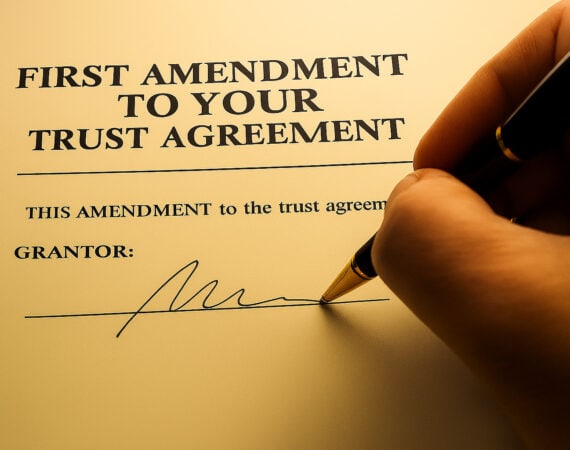
Amending Your Trust in NY: A How-To Guide
Your trust is a cornerstone of your estate plan, designed to protect your assets and ensure your wishes are carried out. However, a trust is not a "set it and forget it" document. Life is constantly changing, and your trust should evolve to reflect those changes. Amending a trust in...
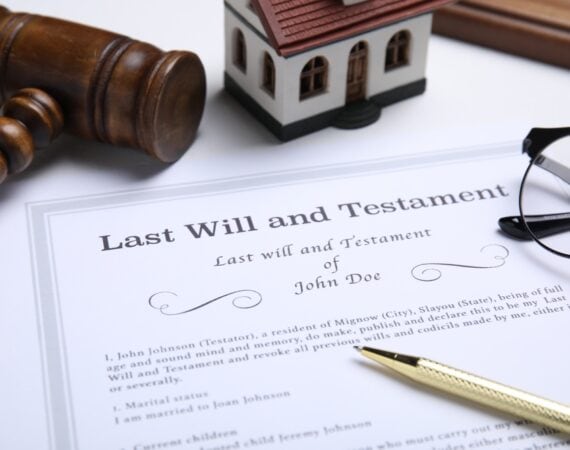
Why You Still Need a Will with a Living Trust
Many people believe that creating a living trust is the final step in a comprehensive estate plan. While it's true that a trust is a powerful tool for managing your assets and avoiding probate, it doesn't entirely replace the need for a last will and testament. Think of a will...
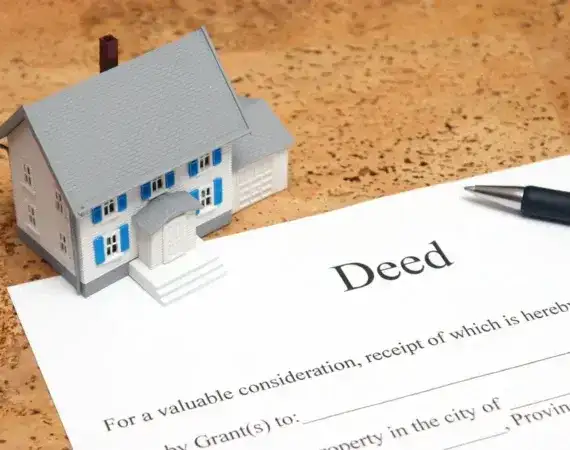
New York Transfer on Death (TOD) Deed Pitfalls and Why Trusts Are a Superior Estate Planning Tool
Planning for the future is one of the most important steps you can take to protect your loved ones and ensure your wishes are honored after your passing. For property owners in New York, a relatively new option called the Transfer on Death (TOD) deed has gained attention as a...
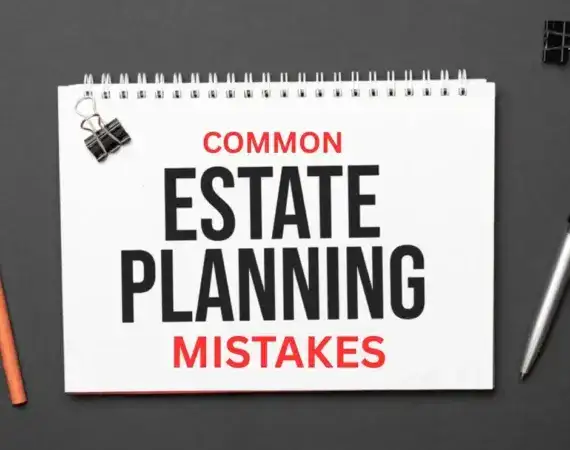
5 Common Estate Planning Mistakes to Avoid
Estate planning is a vital step in ensuring that your assets and wishes are properly managed and honored. Yet, many people overlook crucial details that can lead to significant challenges later on. By being aware of common estate planning mistakes, you can avoid unnecessary stress and safeguard your legacy. Here,...

Do You Need to Plan for the Disposition of Remains in New York State?
When thinking about estate planning, many people focus on their financial assets, real estate, and possessions. Yet, one crucial aspect often overlooked is planning for the disposition of remains. While it might be an uncomfortable topic, taking the time to make these arrangements now can significantly reduce stress and confusion...